The Garden Guide

garden design & stewardship · santa cruz county

Every piece of land already knows what it wants to be. The work is listening.

The Garden Guide designs, plants, and tends gardens that begin with what is already growing, and go as far as you want to take them. What you need and what the land is, held in balance: a relationship with your ground, entered wherever you happen to be standing.

The first visit is free: twenty minutes on your land, to hear what you actually need.

the garden below ↓

how it goes

Four stages. One continuing relationship with a piece of land.

It always starts the same way: a free twenty minute visit, on your land, to hear what you need and figure out which of these stages your project actually calls for. From there, four stages, entered wherever fits, for as long as the garden needs you to stay.

The Walk

ninety minutes · credited toward design

For land that calls for it: David walks the whole property with you, then writes you a prescription. Not a formal design, a clear vision and a roadmap: what is thriving, what is fighting the site, what is worth keeping, and what to do first, in order.

The Plan

design & palette

A concept for the whole, a planting palette suited to your soil and light, and a phasing map so the work can happen at the pace of your budget and your seasons rather than all at once.

The Making

installation, phased

The plan becomes ground. Earthwork, paths, planting, conscientious tailored irrigation. Built in phases so the garden and the household both get to breathe between them.

The Tending

seasonal care

A garden is not finished when the crew leaves. Seasonal visits keep the young garden becoming what it was designed to become, and the notes from each visit shape the next.

the work

Three gardens, integrated & harmonized.

Each project story here indicates what was kept, not just what was added. This points to our value of receptivity over imposition.

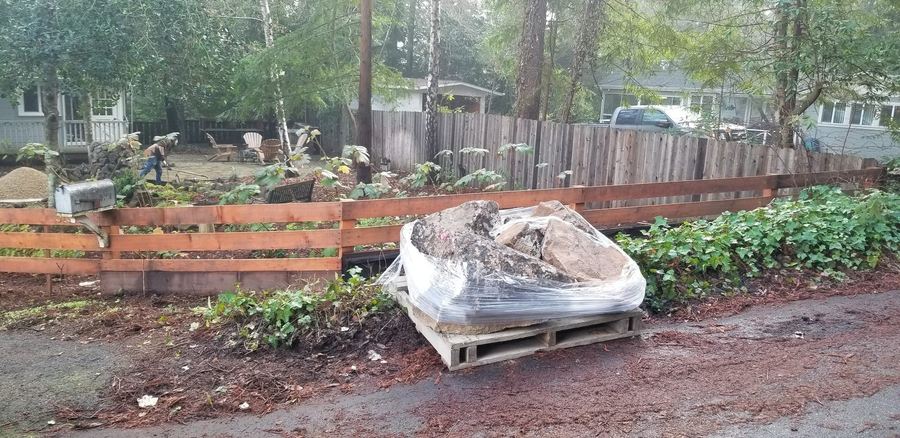
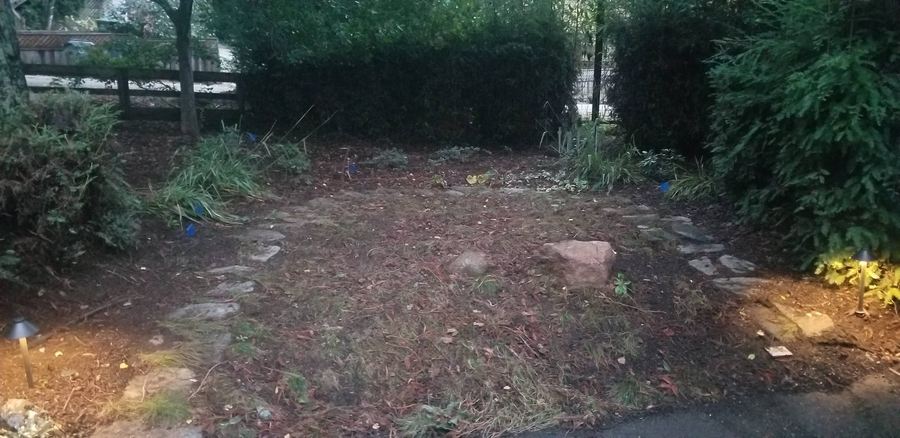
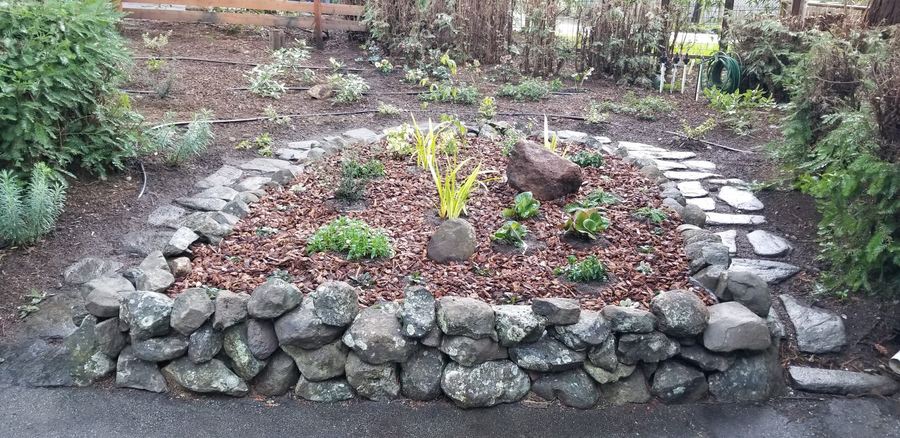
  • Felton, California, before the workbefore
  • Felton, California, during the workduring
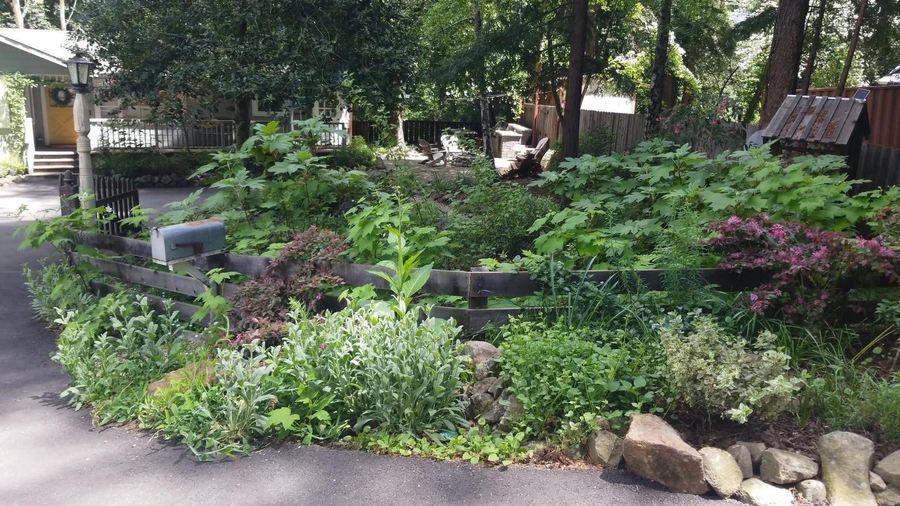
  • Felton, California, after the workafter
  • Felton, California, before the workbefore
  • Felton, California, after the workafter
  • Felton, California, before the workbefore
  • Felton, California, during the workduring
  • Felton, California, after the workafter
  • Felton, California, before the workbefore
  • Felton, California, before the workbefore
  • Felton, California, after the workafter
  • Felton, California, after the workafter
  • Felton, California, before the workbefore
  • Felton, California, after the workafter
  • Felton, California, after the workafter
  • Felton, California, before the workbefore
  • Felton, California, before the workbefore
  • Felton, California, after the workafter
  • Felton, California, after the workafter
  • Felton, California
  • Felton, California
  • Felton, California
  • Felton, California
  • Felton, California
  • Felton, California
  • Felton, California
1 of 26
Felton, California · July 2026

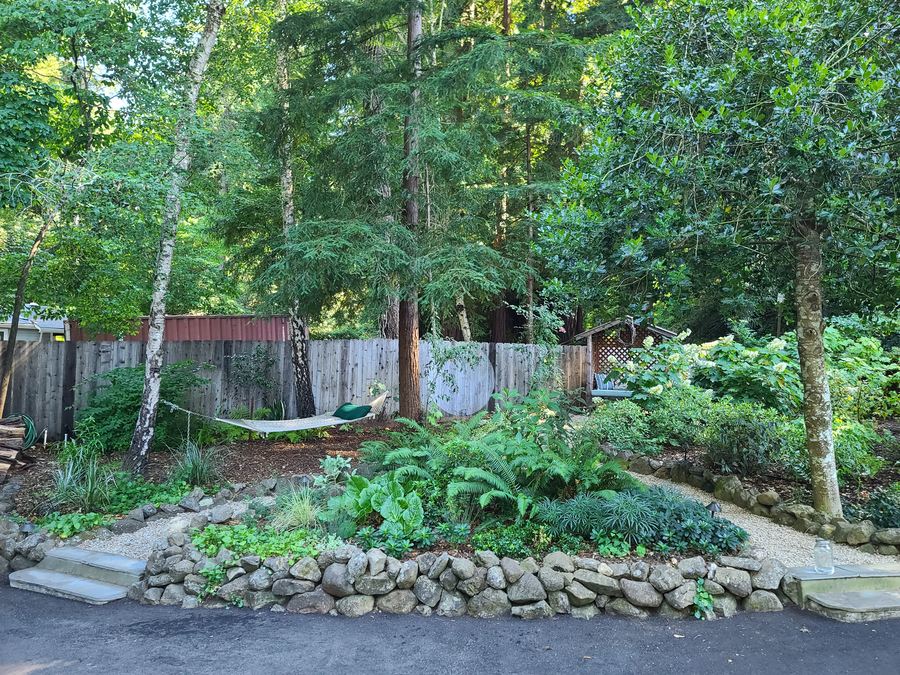
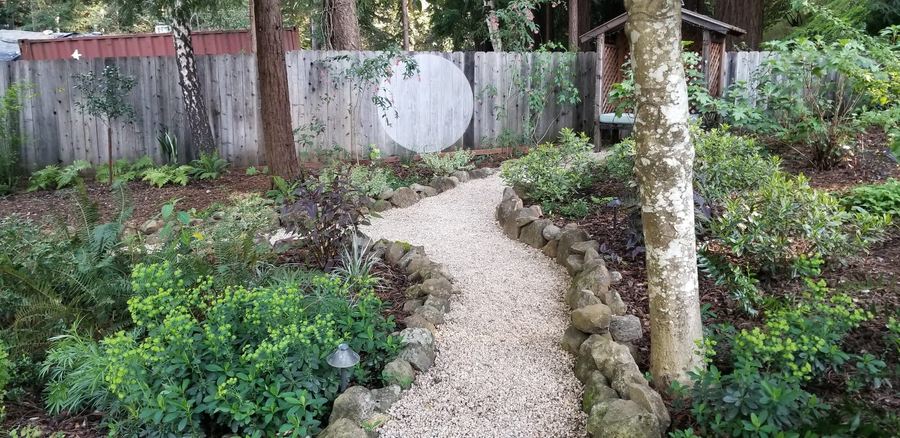
felton · redwood understory · design & tending

What the redwoods were already growing

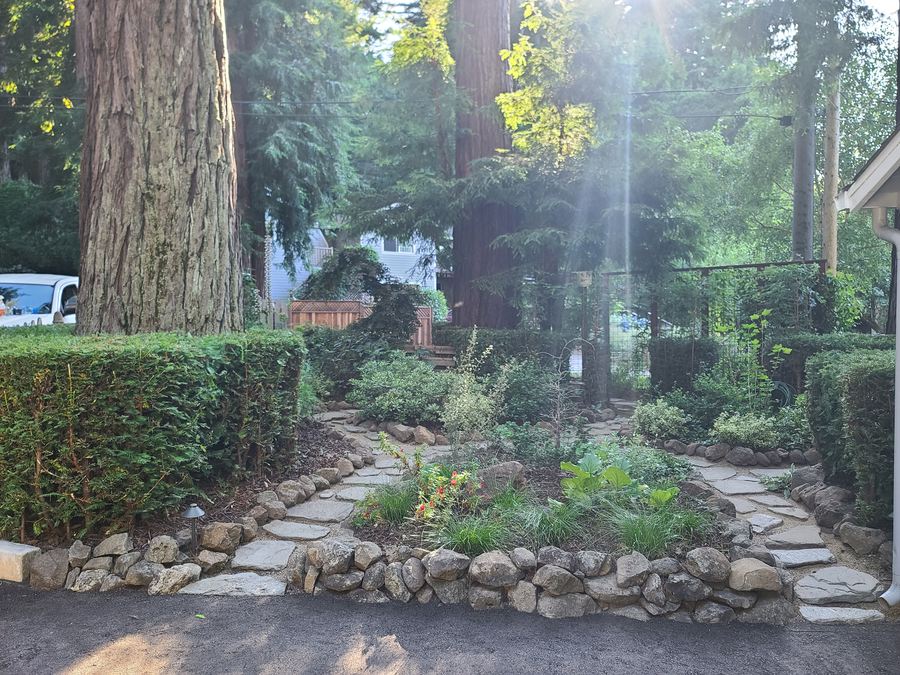
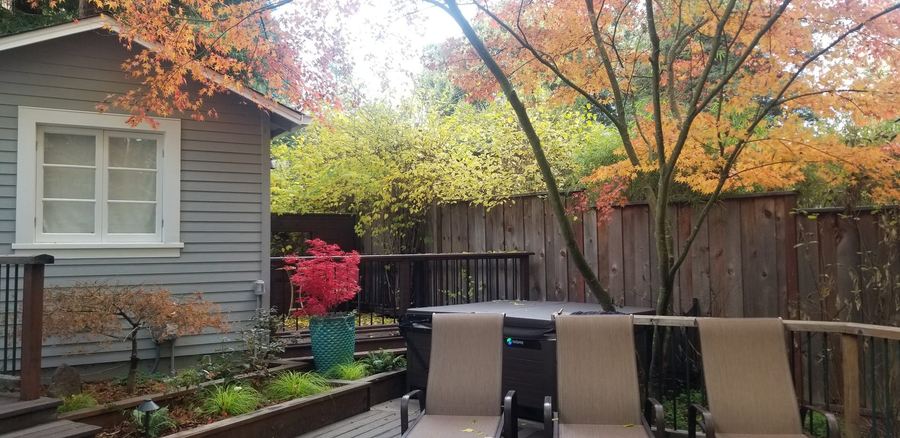
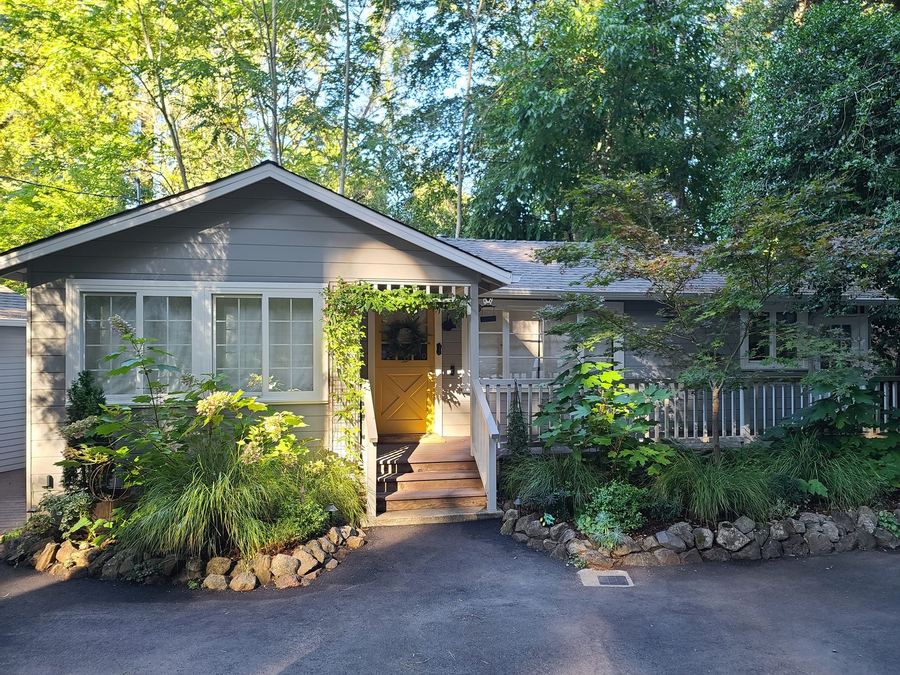
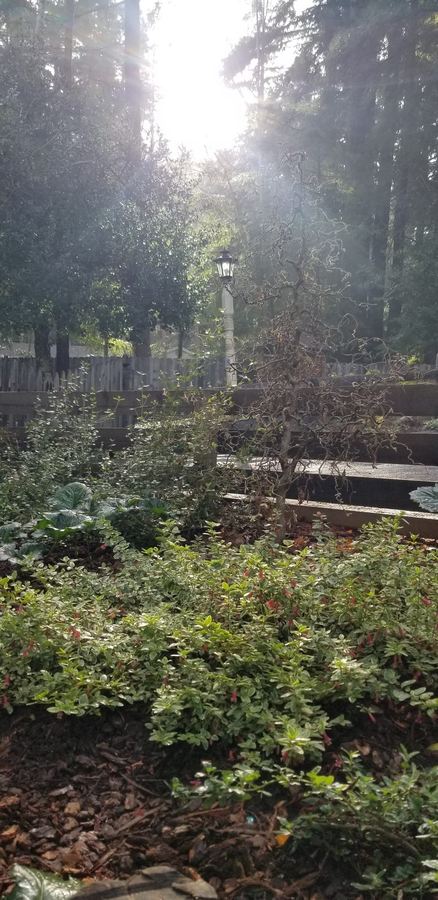
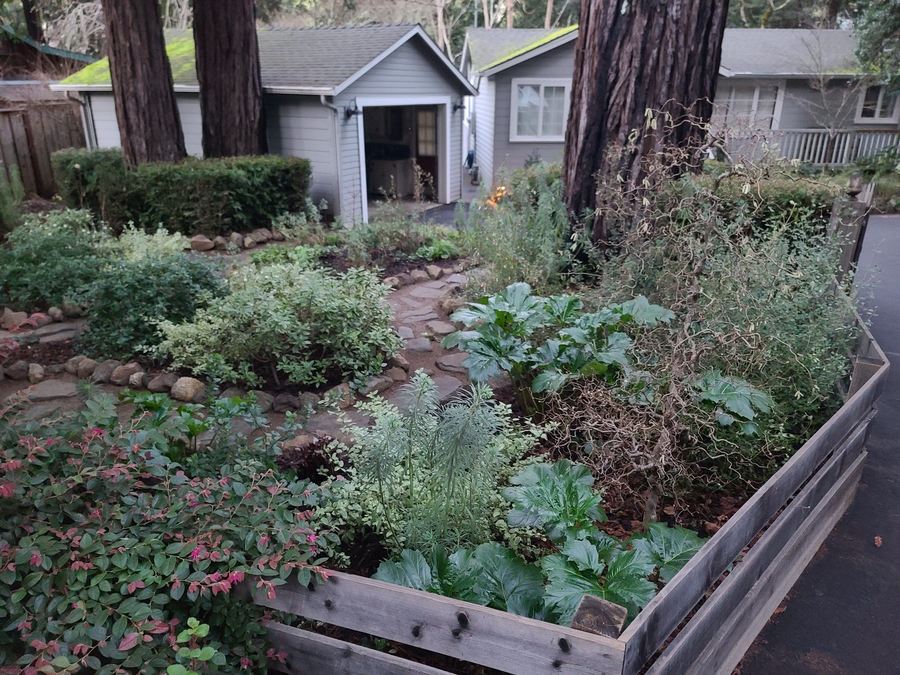
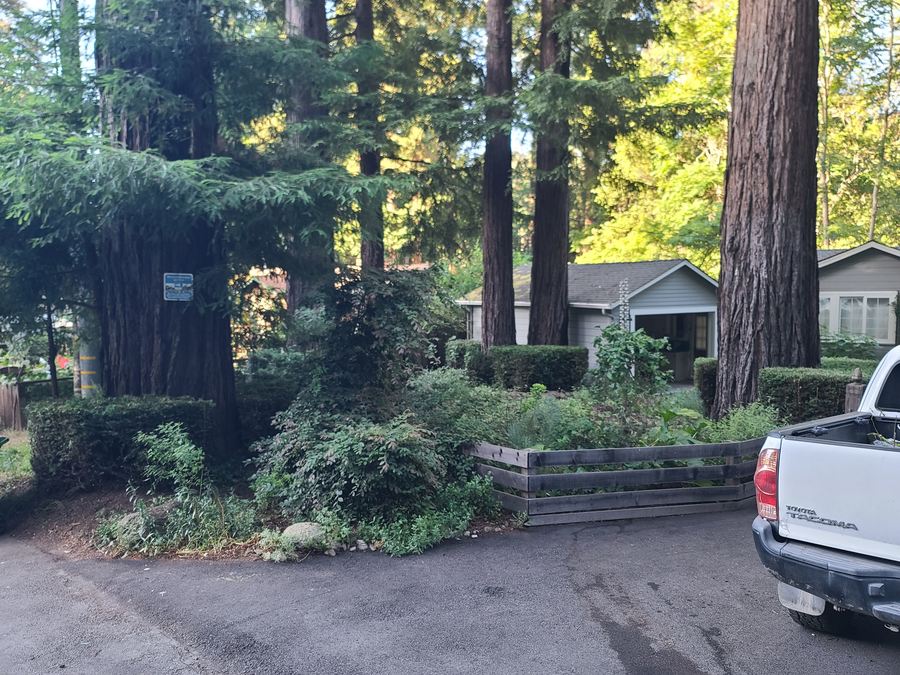
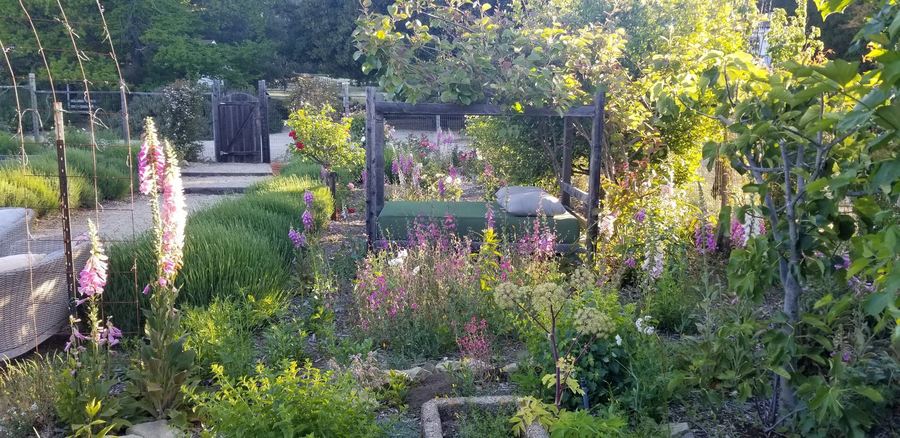
This property came to The Garden Guide after a disconnected Bay Area installation had failed: the wrong plants in too much shade, competing with roots that had been here for centuries. The clients call it the cabin, though it has been in the family for five generations. They needed a garden that worked under redwoods, not against them.

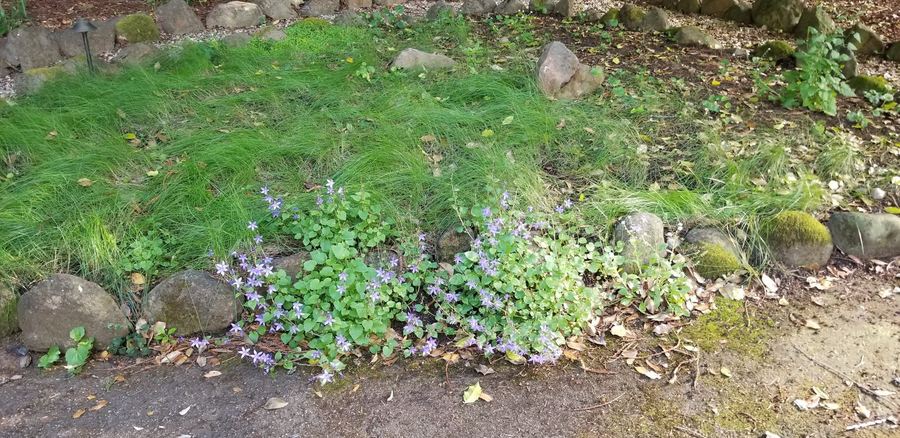
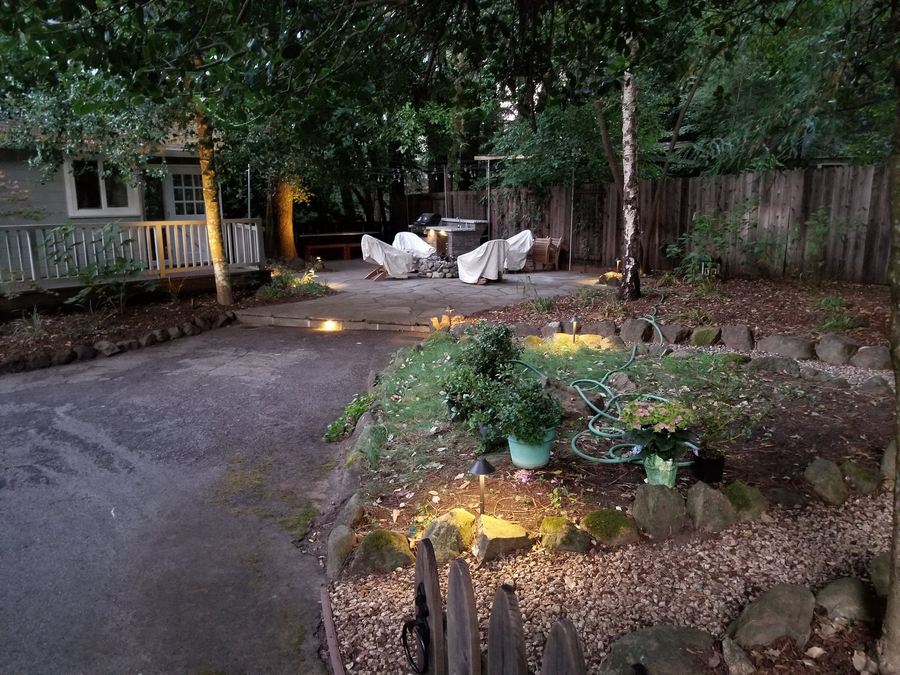
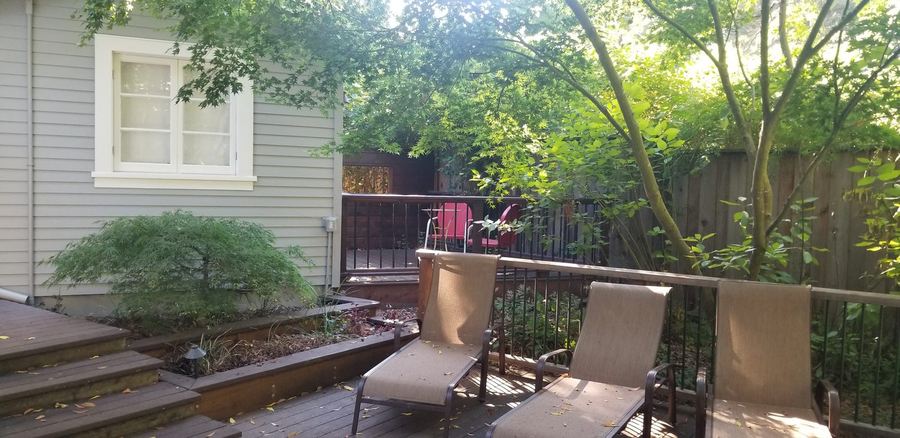
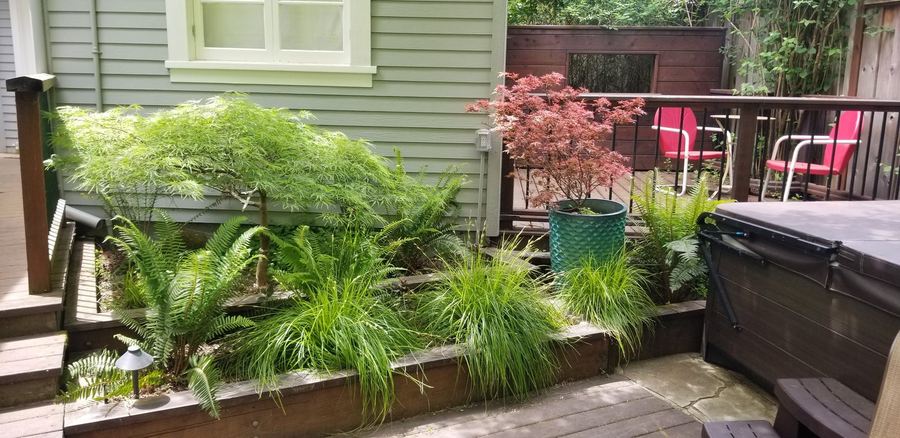
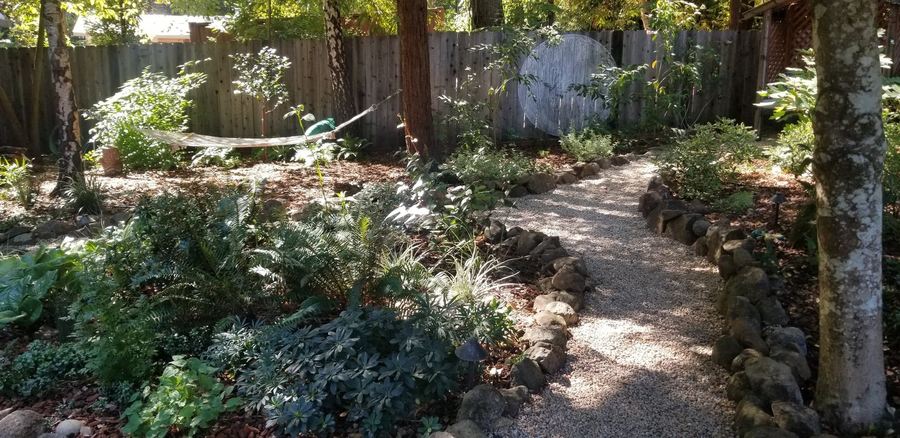
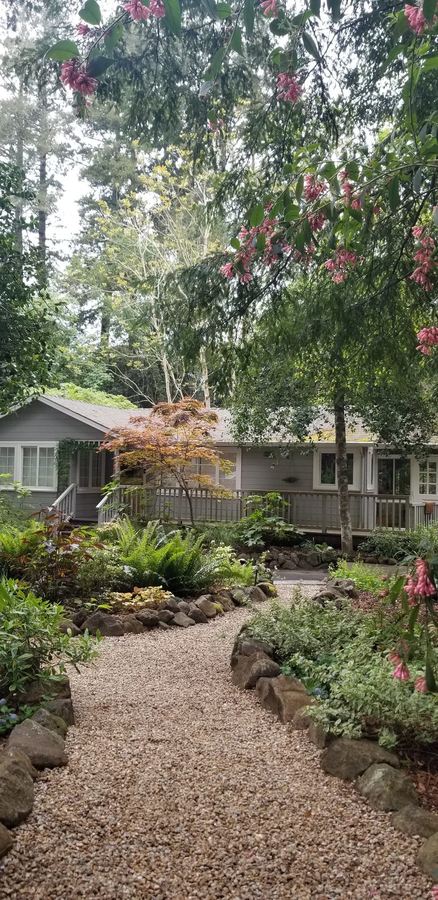
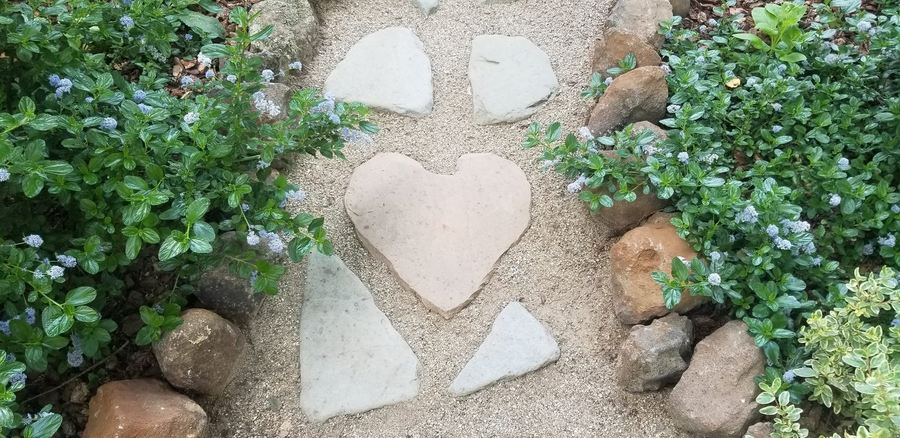
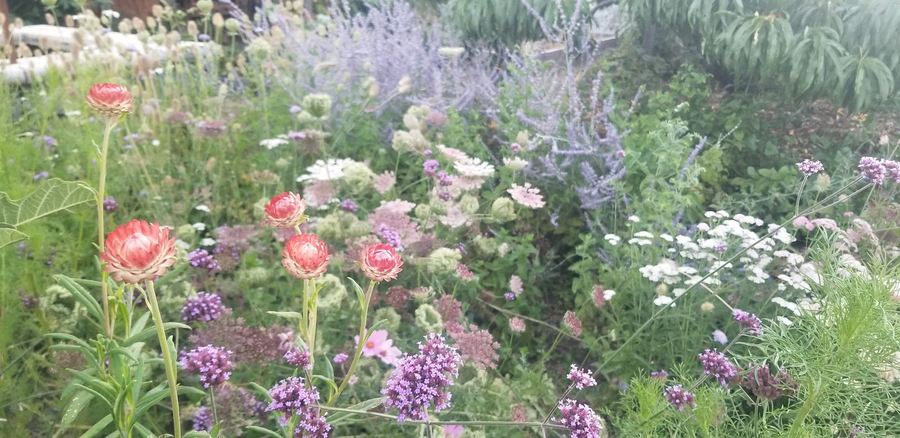
English ivy came out in stands. Failed plantings came out with it. What went in was drawn from the land itself: a palette of native and non-native plants chosen for color, scent, form, and year-round interest in genuinely difficult growing conditions. A meandering path opened for the grandchildren to explore. A gravel walk leads to a simple covered writing bench for the family matriarch. A private spot under a Japanese maple, within earshot of the creek, found its purpose as a place to put a hot tub.

what stayedThe redwoods, the Japanese maple, the creek, and the enchantment already present. The design yielded to what was here rather than imposing on it. The Garden Guide team continues to tend this garden today.
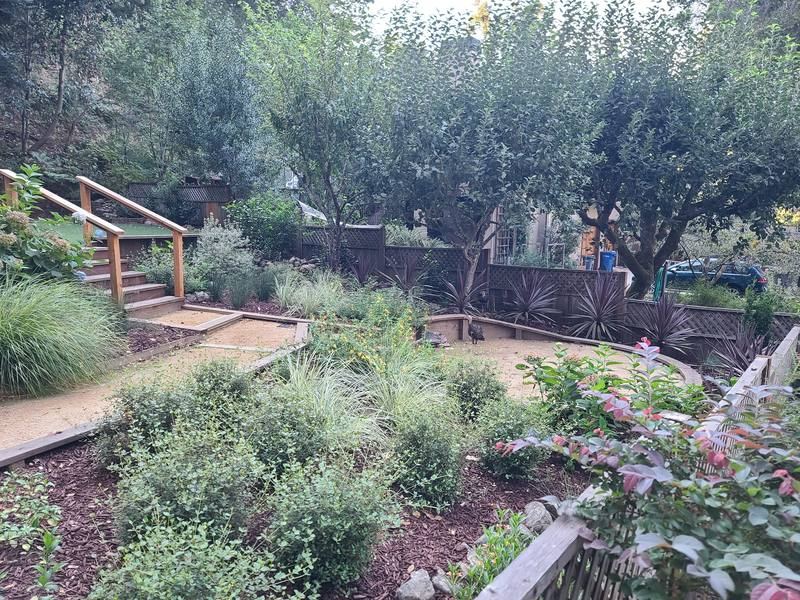
Katelin and Will’s planted front slope with circular seating area and new stairs, September 2025

Santa Cruz County · September 2025

santa cruz county · sloped front yard · design, install & sold

Photo ready, and then some

A sloped, exposed front yard. A seeded plum tree whose roots were colonizing the hillside. Dangerous stairs with no railing. Nowhere to sit. And plans to sell. These clients, a Californian and a New Zealander, came in 2024 with a clear need: accessible, private, personal, and ready for a listing date that had not been set yet.

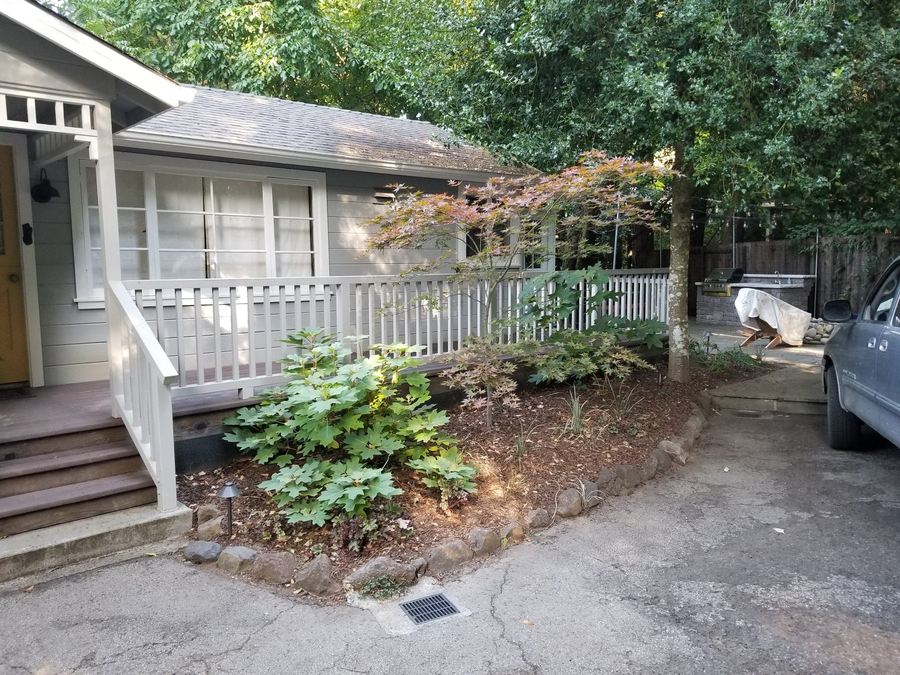
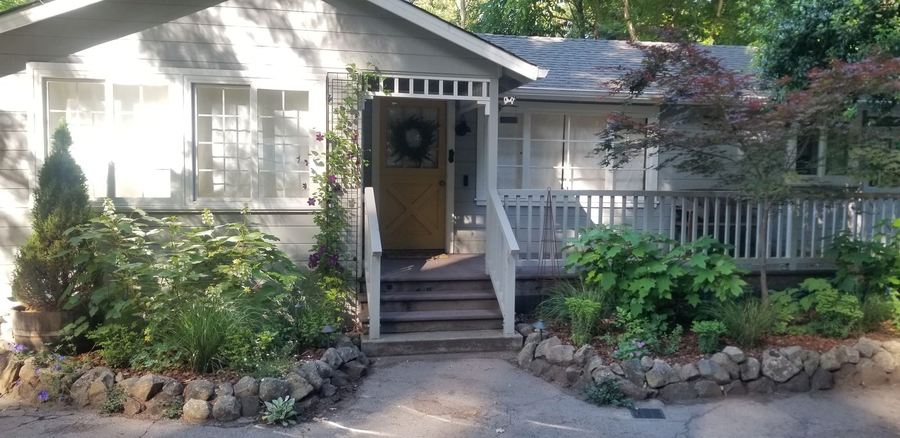
The plum came out. So did a section of privet and the old irrigation lines from a failed lawn. A new pathway was added leading to a custom circular seating area, reachable both from the street and from the updated stairs. David listened to a line of stones along the front fence and extended it throughout the site. A mixed border of screening plants created a living buffer between the yard and the street. The slope was stabilized and the plant palette was built for the clients and the site: California and New Zealand natives whose colors worked with everything already there. Tough, low maintenance, and ready for a toddler and a sale.

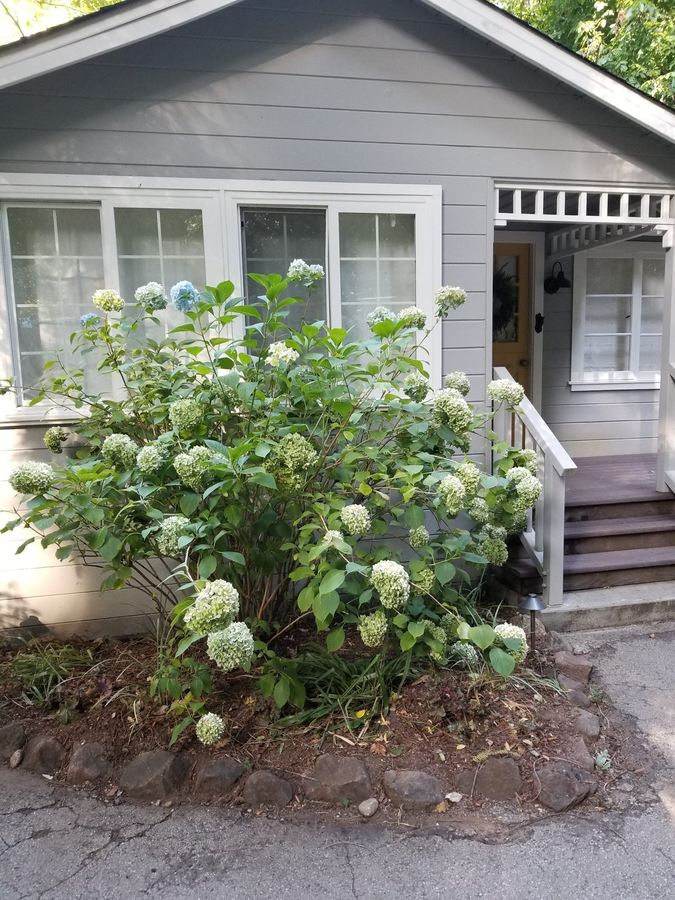
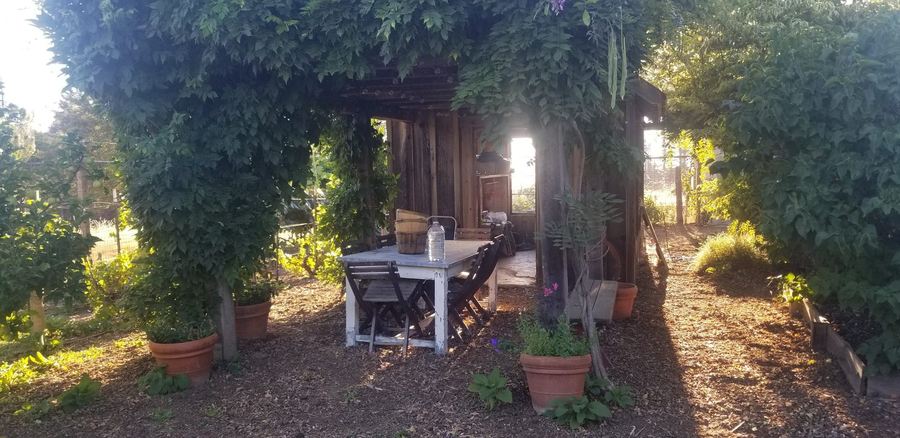
what stayedThe large hydrangeas, the apple trees, the wisteria on its arbor, and the line of stones along the fence. The wisteria arbor was given purpose by the new path leading to it. The stone border was heard and extended. The property sold shortly after listing.
  • Bonny Doon, California
  • Bonny Doon, California
  • Bonny Doon, California
  • Bonny Doon, California
  • Bonny Doon, California
  • Bonny Doon, California
  • Bonny Doon, California
  • Bonny Doon, California
  • Bonny Doon, California
  • Bonny Doon, California
  • Bonny Doon, California
1 of 11
Bonny Doon · 2021

bonny doon · mountain kitchen garden · tending

Between the meadow and the coast

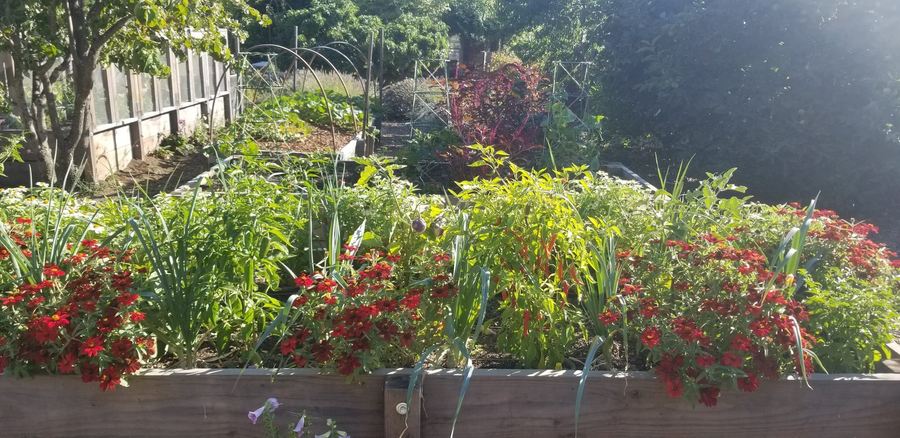
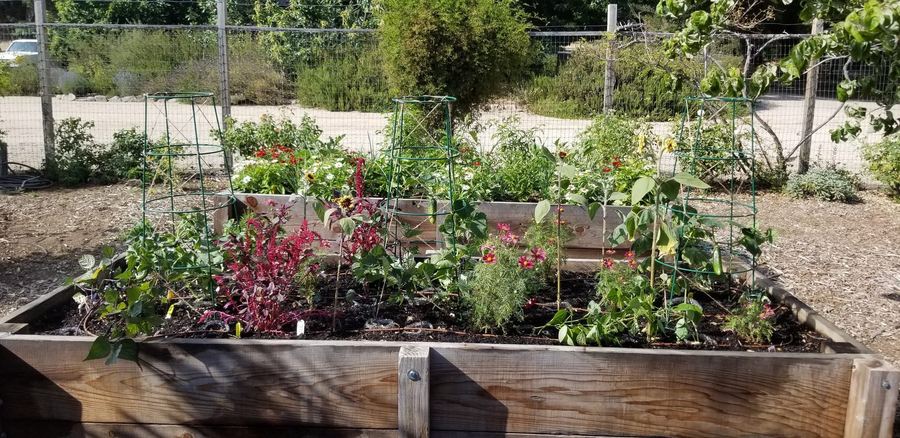
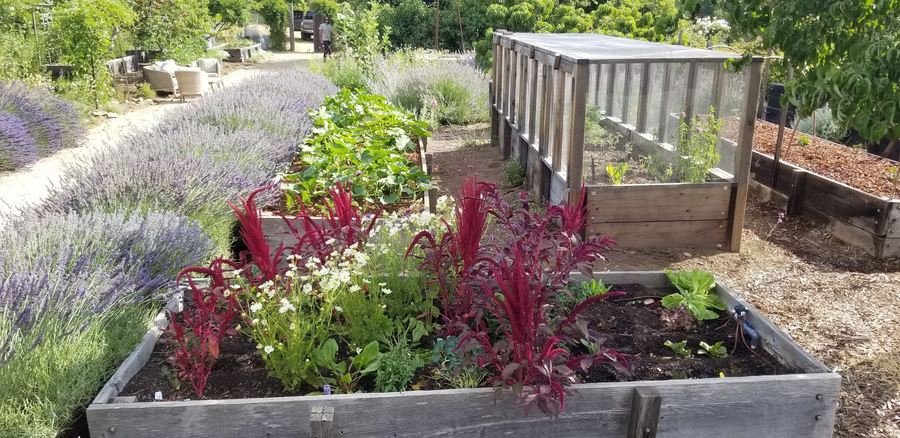
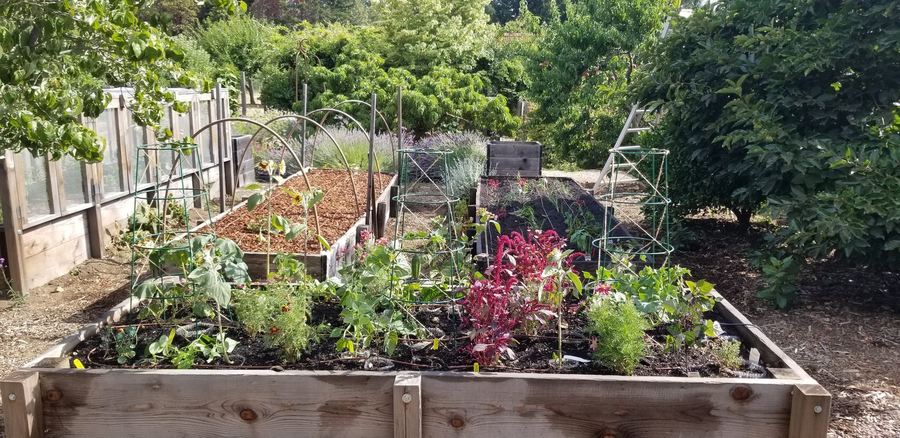
This formal kitchen garden sits between an open meadow, a redwood forest, and a west-facing drop all the way to the ocean. It came to The Garden Guide team shortly after the CZU fires. The clients are a vegan household with a serious appetite for fresh produce and a garden that faced unpredictable mountain weather and highly active wildlife every season.

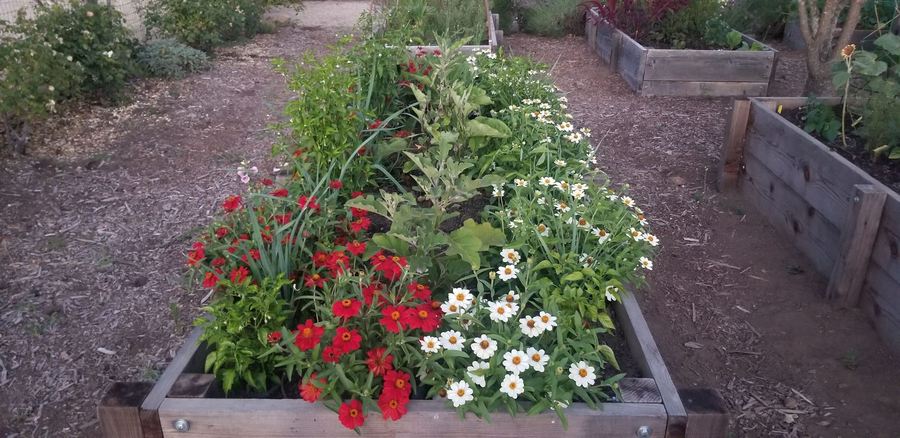
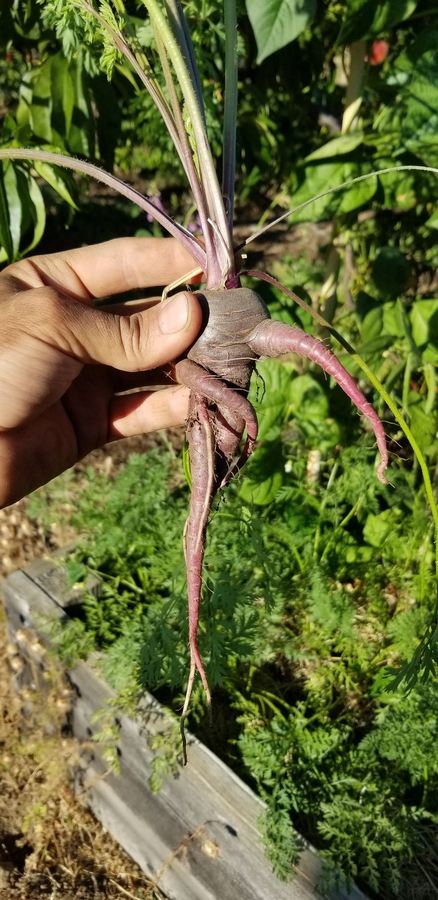
The foundation was already good: fenced raised beds with irrigation. The work was in what was grown inside them. A screened seeding bed ensured something was always ready to go in the ground. Companion planting increased diversity and yield. Flowers were woven in throughout, for the pollinators, for the beauty, and because the client loved having bouquets in the house. The red and white zinnias were both decoration and a field guide: sweet peppers on the white side, spicy on the left. Not every season felt like a garden. Some felt like a war zone on Mars. The team showed up regardless.

what stayedThe raised bed structure, the fence, the irrigation, and the ambition. The foundation was solid. Everything else was grown from it. The family returned from evacuation-inspired travel to a garden that had been tended in their absence.

where you are starting

Land arrives in your life in different ways. Start from where you actually are.

You are preparing to sell

Buyers decide from the curb. Nearly every agent says curb appeal matters, and the return on basic landscape care before listing outruns almost any interior project. This is a fixed scope, fixed price, fixed timeline engagement built around your listing date.

Routine landscape care recovers roughly double its cost at resale in national realtor data.

Get started

You just moved in

You inherited someone else's garden and none of their reasons. Before you rip anything out or sign up with whoever mows the neighbor's lawn, walk it once with someone who can tell you what you actually have. Some of it is probably treasure.

The first year in a new home is when the best gardens get started, and the worst mistakes get made.

Get started

You have land and no idea

An acre, a slope, a field behind the house that you look at and feel equal parts possibility and guilt. Land like this is not a problem to solve in one summer. It is a place to get to know, then shape slowly, in phases, starting with what it already does well.

The best large gardens are planned once and planted over years. Phasing is the plan, not a compromise.

Get started · Or go deeper first

The garden has become too much

It was beautiful once, or it was supposed to be, and now it is a list of chores that follows you around the weekend. The answer is rarely more maintenance. It is a garden redesigned to need less: fewer thirsty plants, more that belong here and hold their own.

Most of the water and most of the work in an old garden goes to the plants that suit the site least.

Get started

for land that asks for a longer look

Some properties want more time before anything is decided.

Most projects start with a free visit and, where the land calls for it, the Walk. If your land has years of history, or you are trying to work out what an acre or more actually wants to become, these two go further before anything is built.

deep consultation · walked and written

Intuitive Consultation

A longer, closer read of the whole property: how you use it, what it needs from you, and what you need from it. You leave with a full written report, prioritized and itemized, built so you or anyone you hire can act on it directly. A personalized plant list can be added.

deep consultation · walked, written and drawn

Wholistic Design

Everything in the Consultation, plus a complete paper design for the property and a full plant list. Built for land that needs one coherent plan before anything goes into the ground, rather than a project handled piece by piece.

Both begin with a short call first, to make sure it is the right fit on both sides. If this sounds like what your land needs, say so in the note when you write in below.

for listing and buyer's agents

Your listing has a first impression. We make sure it is the right one.

Two products, priced and scheduled so you can promise them to a client without a second call. And your buyers who just closed get a first year in the garden that starts well, which they will remember came from you.

for your sellers

The Listing Ready

Cleanup, mulch, edges, entry path, and low water color where the camera and the buyer look first. Fixed scope and price after one site visit, complete before your photographer arrives.

for your buyers

The Welcome Walk

A ninety minute walk of the new property with your client in their first month. What they own, what to keep, what can wait. A closing gift that outlasts a bottle of wine by about thirty years.

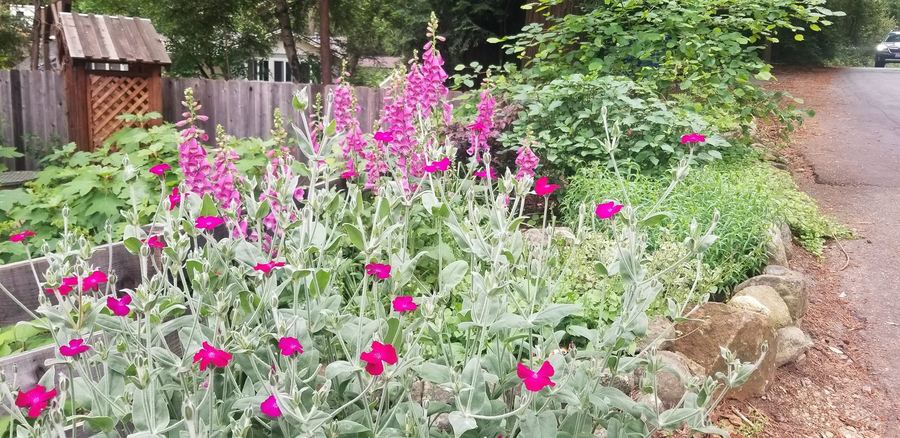
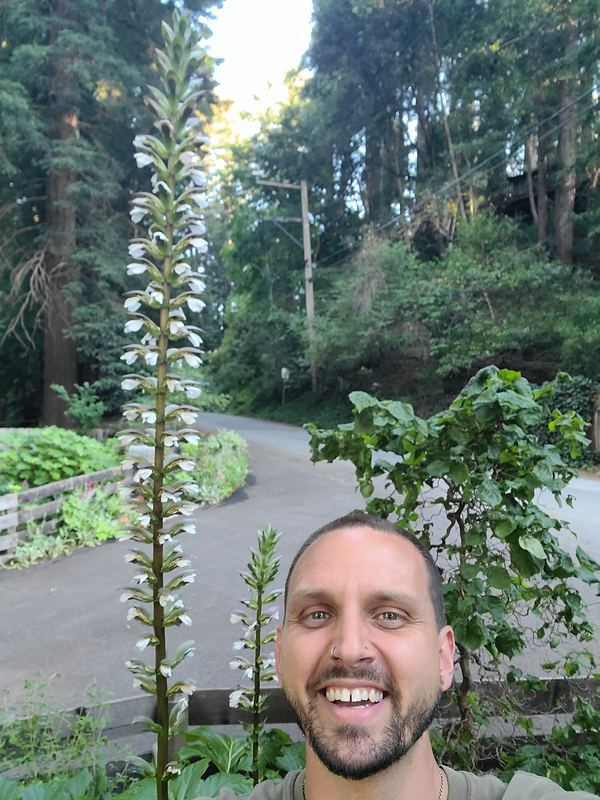
David Crommett, who leads The Garden Guide, in the garden with a flowering acanthus, Santa Cruz County, June 2026

David · Intuitive Garden Visionary

about

David has been reading land longer than he has been charging for it.

He leads The Garden Guide, and the practice is one continuing conversation with your ground. He walks every property himself, draws every plan himself, and stays the one point of contact from the first visit through every season after. The team he leads carries the work on the ground, season after season, and what a project needs beyond them is brought in with care and matched to what it actually calls for.

The method is simple to say and slow to do. Walk the land before touching it. Keep what belongs. Add what the place is asking for, not what a catalog is selling. Build in phases so the garden and the people can grow into each other. Then stay, because a garden is a relationship, not a renovation.

A garden is read with more than eyes. What a path feels like underfoot, what the wind sounds like moving through a hedge, what the air smells like at the end of a summer day: all of it is part of the design, not an afterthought to it.

What gets planted also accounts for more than sun and soil. What season of life you are in, and what you need this place to give you right now, matters just as much as what will survive there.

"I do not impose a detached vision on your land. I listen deeply to you and the land, integrate, harmonize, and let the garden guide us to its best possible version."
begin

Get Started

The first visit is free: twenty minutes on your land with David, to hear what you need and see what your project calls for. If the land asks for a deeper look, the next step is the Walk: ninety minutes and a written prescription, credited toward the design.

The first visit is free and takes about twenty minutes. No obligation on either side.

arrow keys, or swipe